The Hidden Cost of Poor Warranty Management in Commercial Real Estate
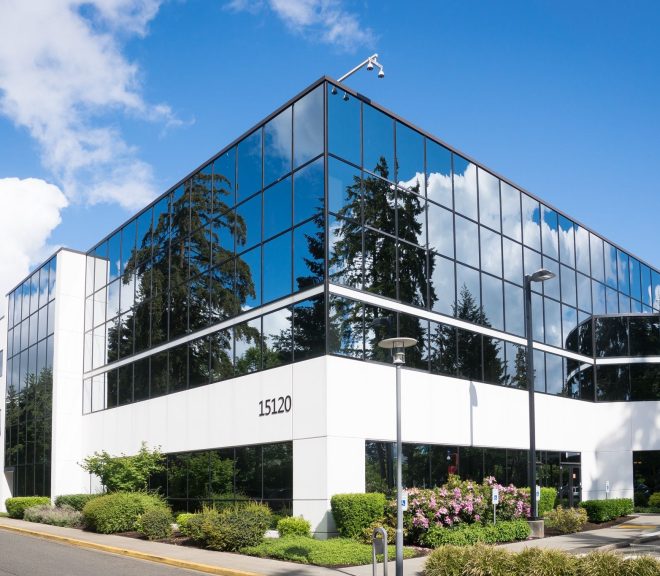
Learn how commercial property warranty management can reduce avoidable repair costs, protect building systems, and support long-term asset performance.
When a major building system fails, the first question is usually how quickly it can be repaired. But there’s another question property owners and managers should be asking: Is the repair still covered under warranty?
It’s an easy detail to overlook, especially when the priority is getting equipment back online and minimizing tenant disruption.
Commercial office and industrial properties contain significant investments in roofs, HVAC systems, elevators, generators, dock equipment, and other building components. Many of these assets come with manufacturer or contractor warranties that can help offset the cost of qualifying repairs.
Without a proactive approach to commercial property warranty management, owners may end up paying for repairs that could have been partially or fully covered. Over time, those missed opportunities can increase operating expenses, create unnecessary capital costs, and affect overall property performance.
Why Warranty Management Gets Overlooked
Most warranty management challenges begin at project closeout.
Construction teams collect warranty certificates, operations and maintenance manuals, commissioning reports, and other documentation. Once the project is complete, those records are often stored away until something goes wrong.
By then, the warranty may have expired, the original contractor may no longer be involved, or important service records may be difficult to locate.
There’s also the question of responsibility. Construction teams collect the documentation. Property managers oversee daily operations. Engineers maintain the equipment. But who is responsible for monitoring coverage, documenting requirements, and pursuing claims?
When no one owns the process, valuable warranty opportunities can slip through the cracks.
The solution isn’t necessarily more paperwork. It’s establishing a clear process to keep warranty information accessible, assign responsibility, and make warranty reviews part of regular property operations.
The Financial Impact of Missed Warranties
The most immediate consequence of poor warranty management is paying for repairs that might otherwise qualify for coverage.
Consider an HVAC compressor that fails while still under warranty. If the property team isn’t aware of the coverage, ownership could end up paying for a replacement component that the manufacturer would otherwise provide.
Roofing presents similar challenges. A small leak or installation defect can develop into a much more expensive issue if it isn’t identified and addressed early.
Not every warranty covers the full cost of a repair. Some cover parts but exclude labor, while others have specific maintenance requirements or exclusions. Understanding those details before authorizing work can make a meaningful financial difference.
The Impact Goes Beyond Repair Costs
Missed warranty opportunities can also create ongoing expenses.
A defective HVAC system may continue to operate inefficiently, resulting in repeated service calls, higher utility costs, and uncomfortable tenants. Unresolved roofing issues can lead to water damage, interior repairs, and disruptions to tenant operations.
If problems aren’t addressed, building systems may also require major repairs or replacement earlier than anticipated, putting additional pressure on capital budgets.
For income-producing commercial real estate, recurring avoidable expenses can affect net operating income (NOI).
Consider a property with $50,000 in unnecessary annual operating expenses. At an illustrative 6% capitalization rate, a sustained $50,000 reduction in NOI represents approximately $833,000 in capitalized value.
This is a simplified example based on recurring operating expenses, not the impact of a single missed warranty claim. Still, it illustrates why controlling avoidable costs matters to long-term asset performance.
Roofing and HVAC: Two Areas That Deserve Attention
While warranties apply to many building components, roofing and HVAC systems deserve particular attention because of their cost, operational importance, and potential impact on tenants.
Roofing Warranties
Commercial roofing systems represent a significant capital investment, particularly for large office and industrial properties.
Depending on the system and warranty agreement, coverage may extend for decades. But that doesn’t mean every leak, defect, or repair will automatically qualify.
Property owners and managers need to understand the conditions of their specific warranties, including inspection requirements, maintenance responsibilities, and potential exclusions.
For example, unauthorized roof penetrations or improperly completed repairs can complicate warranty coverage if problems develop later. GAF’s commercial roofing warranty resources provide examples of why warranty terms and maintenance requirements should be reviewed carefully. Regular inspections and documentation of rooftop work can help identify issues early and support potential claims.
HVAC Warranties
Commercial HVAC systems present a different challenge. Individual components may have different warranty periods, and coverage can vary depending on the manufacturer, equipment type, and installation details.
Compressors, coils, motors, controls, and other components may qualify for coverage. However, missing equipment registration, startup records, or maintenance documentation can complicate claims.
When property teams manage dozens or even hundreds of pieces of equipment, keeping track of these details becomes increasingly important.
A centralized record of equipment information, warranty expiration dates, and service history helps ensure coverage is considered before a potentially costly repair is approved.
Four Ways to Improve Commercial Property Warranty Management
Effective warranty management doesn’t necessarily require a complicated new system. It starts with clear responsibility, accessible information, and a consistent review process.
1. Centralize Warranty Documentation
Warranty certificates, equipment information, installation records, expiration dates, and service history should be stored in one accessible location.
Whether that’s an existing maintenance platform or a dedicated warranty database, the goal is to make information easy to find when it’s needed.
2. Assign Clear Responsibility
Someone needs to own the process.
Construction teams may collect the documentation, but responsibility for monitoring coverage and pursuing claims should be clearly established once a property or project transitions into ongoing operations.
3. Review Coverage Before It Expires
Don’t wait until equipment fails to check its warranty status.
Annual warranty reviews and scheduled pre-expiration inspections can help identify potential defects while coverage remains active.
For major systems, reminders 12 months, six months, and 90 days before expiration may provide a useful starting point. Inspection schedules should reflect the manufacturer’s requirements and the condition of the asset.
4. Track Claims Through Resolution
Submitting a warranty claim is only the beginning.
Property teams should document the issue, maintain communication with manufacturers or contractors, and track whether a claim is approved, denied, or still pending.
Monitoring outcomes can provide insight into recovered costs, recurring equipment issues, and opportunities to improve future processes.
Why Warranty Management Is an Asset Management Priority
Proactive warranty management can help property owners avoid unnecessary expenses, protect building systems, and make more informed decisions about long-term maintenance and capital needs.
When warranty information is collected during construction, transferred to property operations, and reviewed throughout an asset’s life, teams are better equipped to identify covered repairs, avoid unnecessary expenses, and plan for future capital needs.
This requires coordination between the people responsible for construction, maintenance, property operations, and asset management.
At Rising Realty Partners, our integrated approach to property management and construction management reflects the importance of connecting day-to-day operations with long-term ownership objectives.
Not every opportunity to protect asset value requires a major renovation or capital investment. Sometimes it starts with making better use of the protections already in place.
Because effective property management isn’t just about responding when something goes wrong. It’s about being prepared before it does.
Related Insights

Operational Architecture Is the New Competitive Advantage
Discover how operational architecture strengthens commercial real estate operations, improves collaboration, and supports long-term asset performance.

Downtown Los Angeles Forgot Who Pays The Rent
An examination of how business taxes, public safety, and city policy are shaping small-business growth and Downtown Los Angeles’ recovery.
The Yield You Have to Work For: Why Shallow-Bay Still Stands Out
Why small multi-tenant industrial real estate can still offer opportunity through active management, short leases, and disciplined operations.
Where you can find us
Rising Realty Partners
601 W 5th Street, Suite 215, Los Angeles, CA 90071
 Our Company
 Our Team
 Our Suite of Services
 Invest With Us
 News
 Insights
 Videos
 Podcast